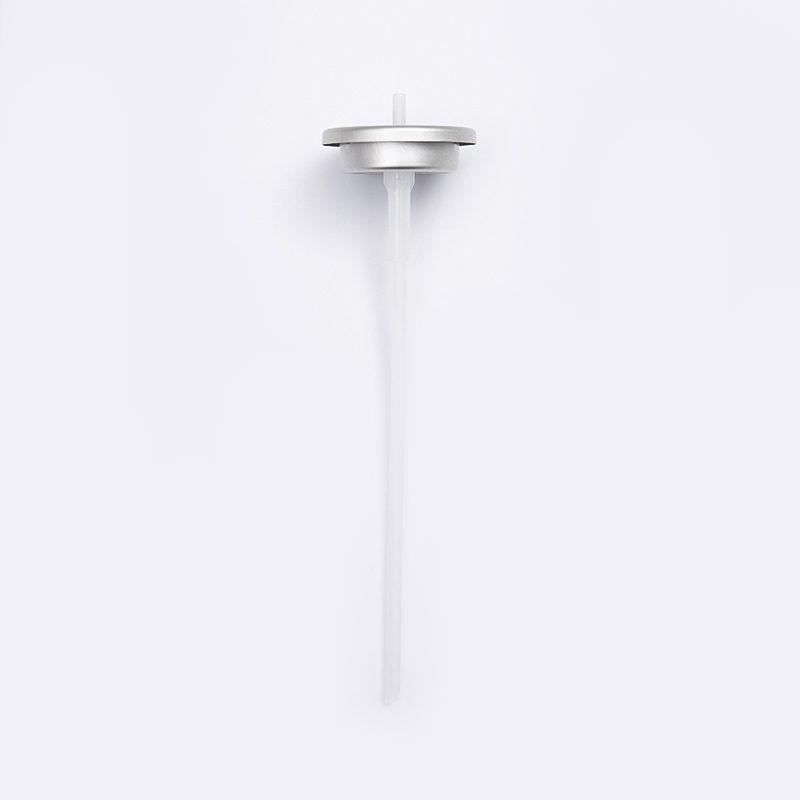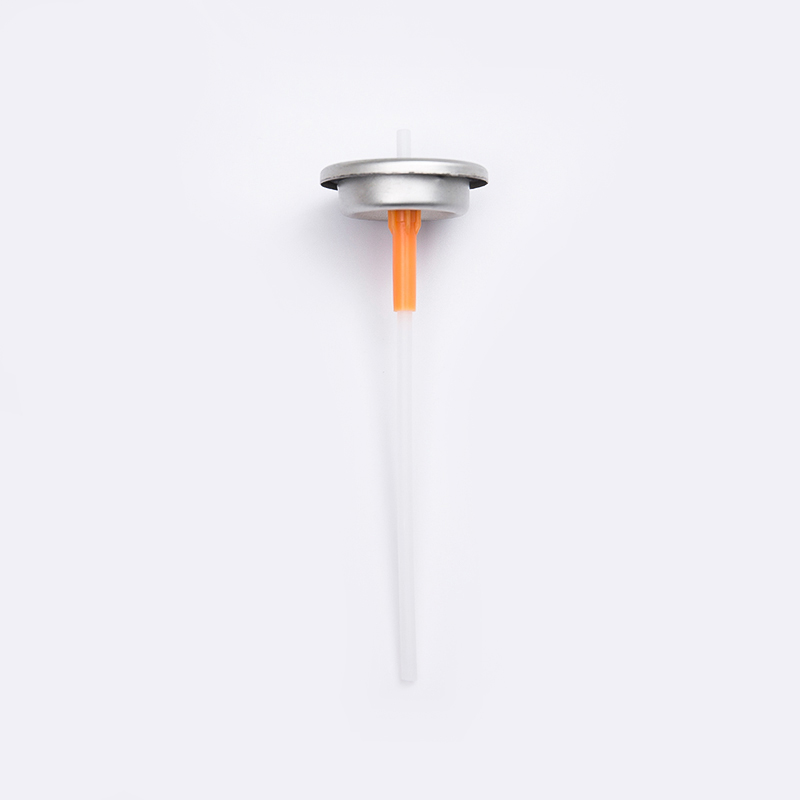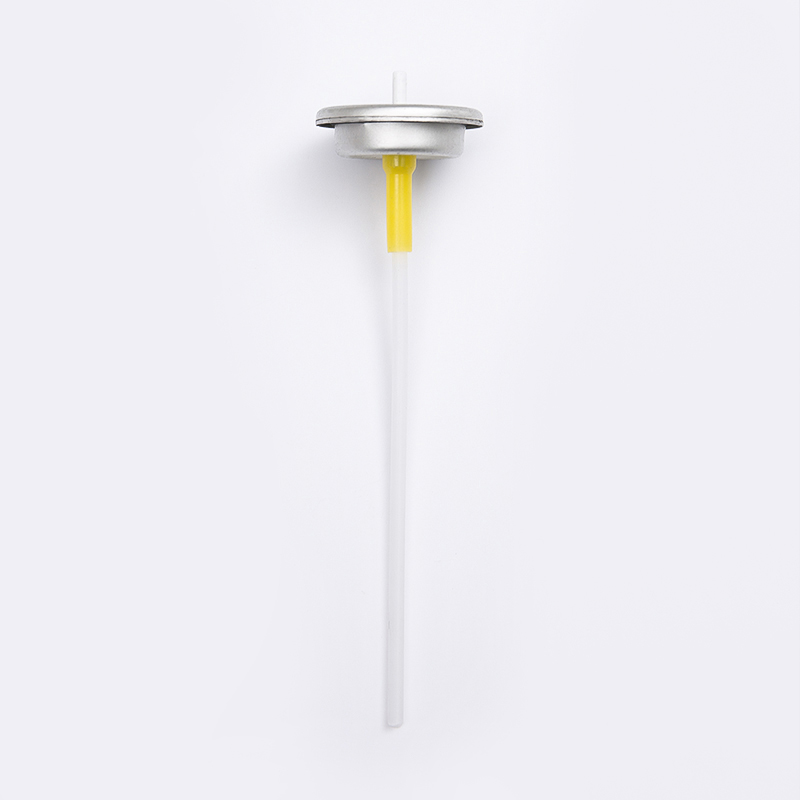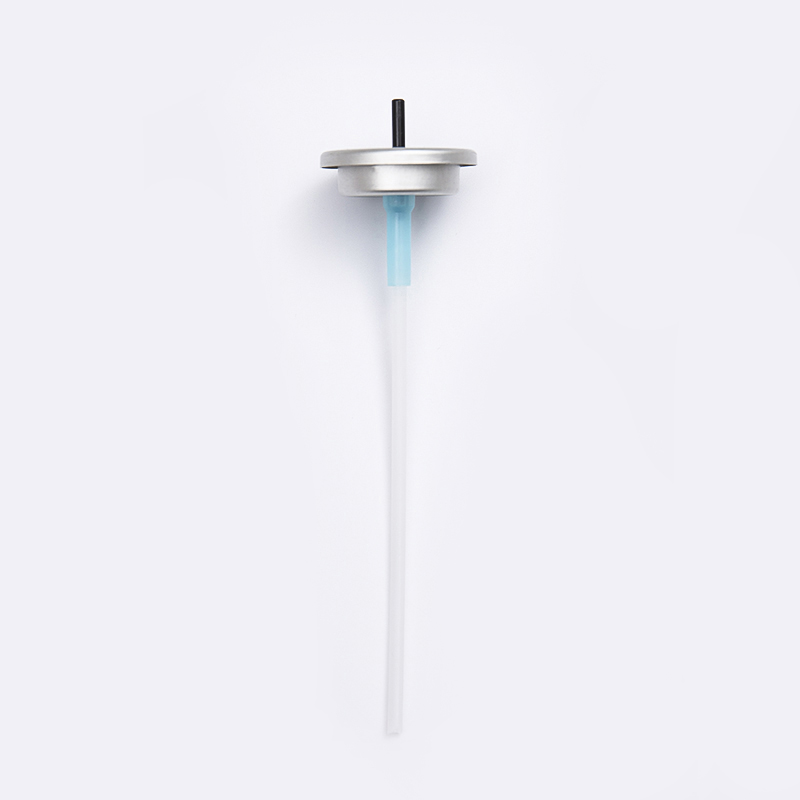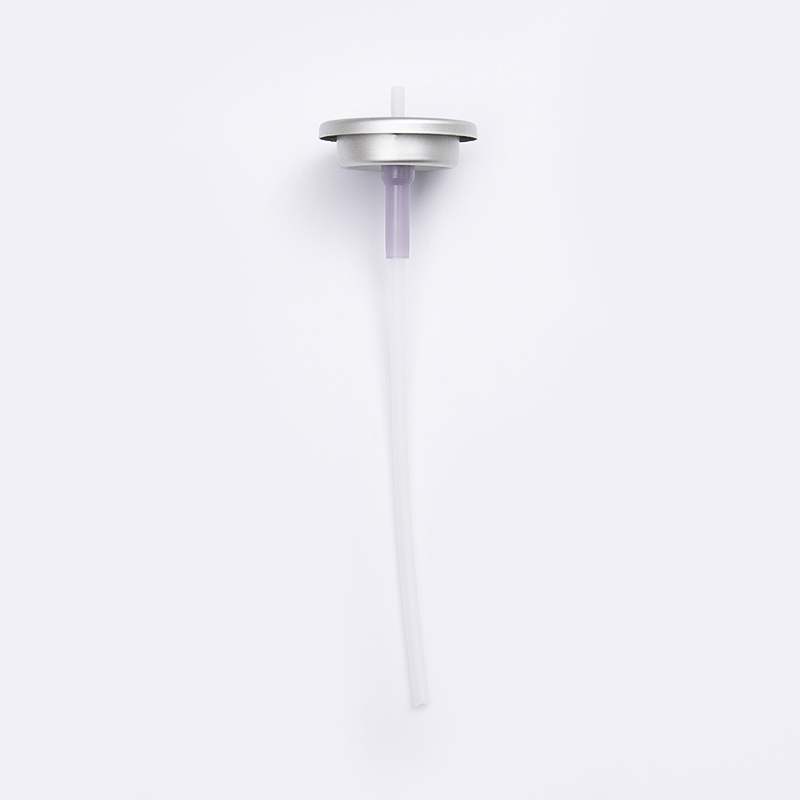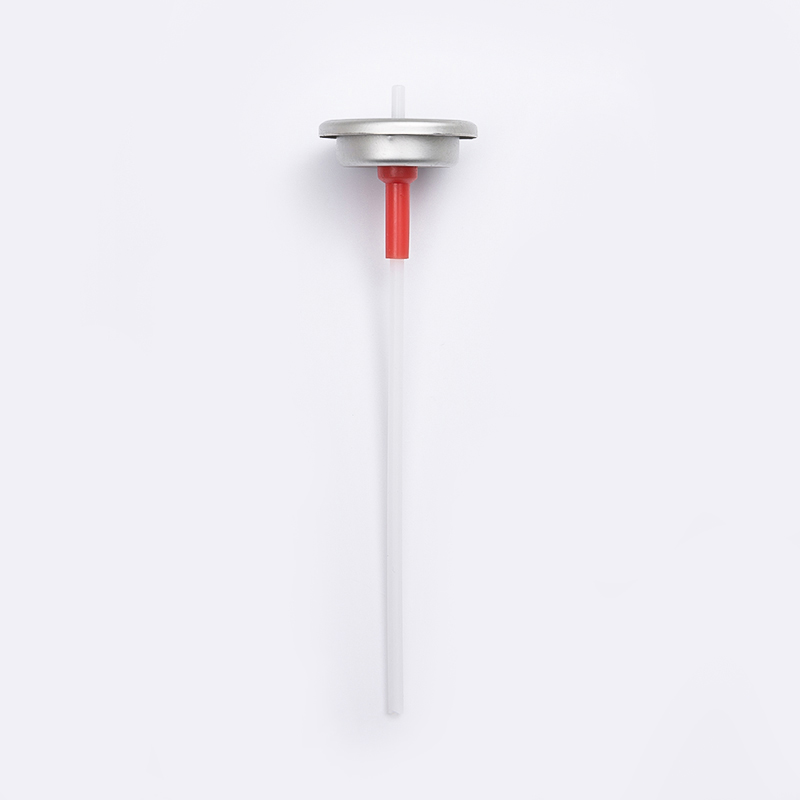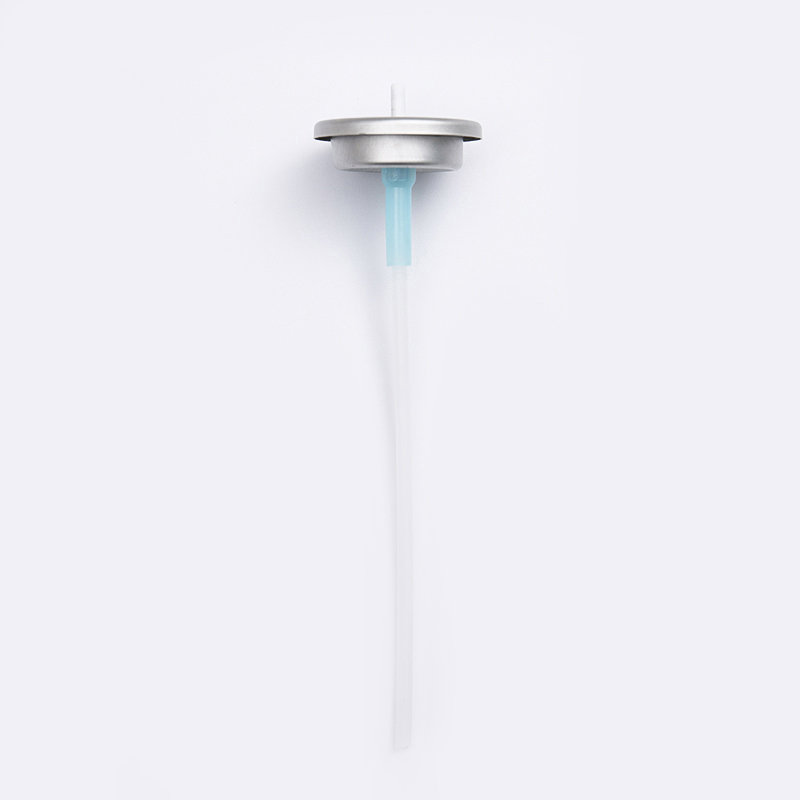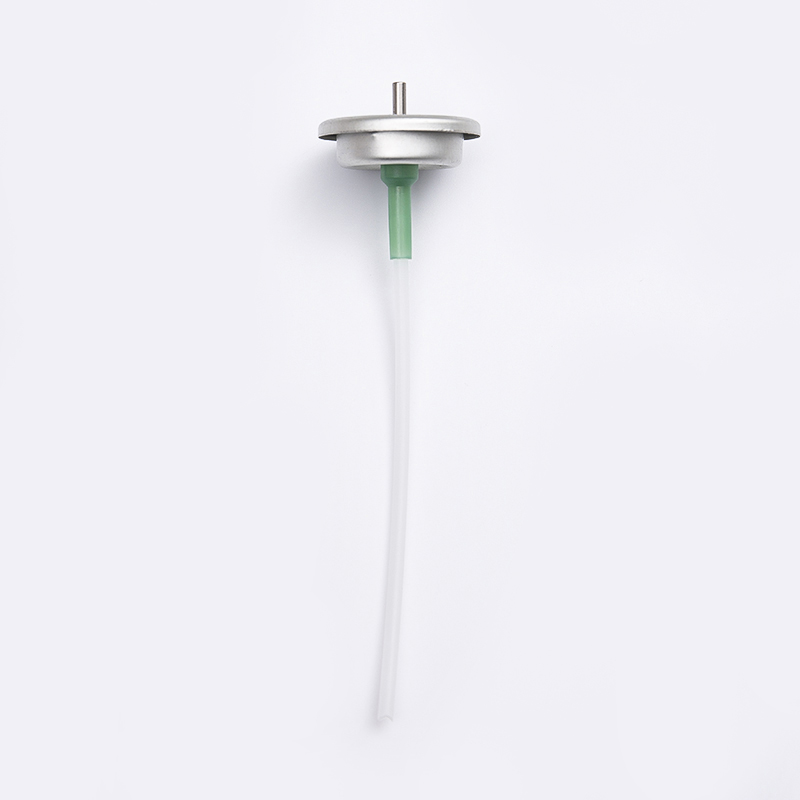
The first thing a consumer touches on an insecticide aerosol can is not the active ingredient name or the brand logo. It is the cover. That small plastic assembly decides how the product is stored, transported, and eventually released. For brands, contract fillers, and formulators, the bug spray cover system is where safety, dose accuracy, and user experience are decided. A poorly matched cover leaks in the warehouse, clogs during use, or delivers an unreliable dose. A correctly chosen one makes the product feel dependable from the first press to the last.
What a Bug Spray Cover Actually Does
A bug spray cover is the interface that keeps the valve clean, prevents accidental discharge, and turns a metered valve into an easy-to-use spray tool. When people say bug spray cover, they often refer to the plastic cap sitting on top of the can. In manufacturing terms, though, the cover is more than a lid. It normally consists of a protective housing, an actuator button or nozzle, and a locking feature that seats onto the valve cup.
The cover has three main jobs. First, it protects the valve stem and orifice from dust, dirt, and impact during shipping and shelf life. Second, it prevents the valve from being pressed prematurely, which is critical when an insecticide can is stored near food, children, or pets. Third, it gives the user a pressing surface that directs the spray toward the target area.
Most standard covers rely on a plastic metering valve actuator nozzle that snaps onto the valve stem and provides a stable surface for repeated use. The actuator geometry, not the formula, often determines whether the spray lands on the target surface or drifts into the air.
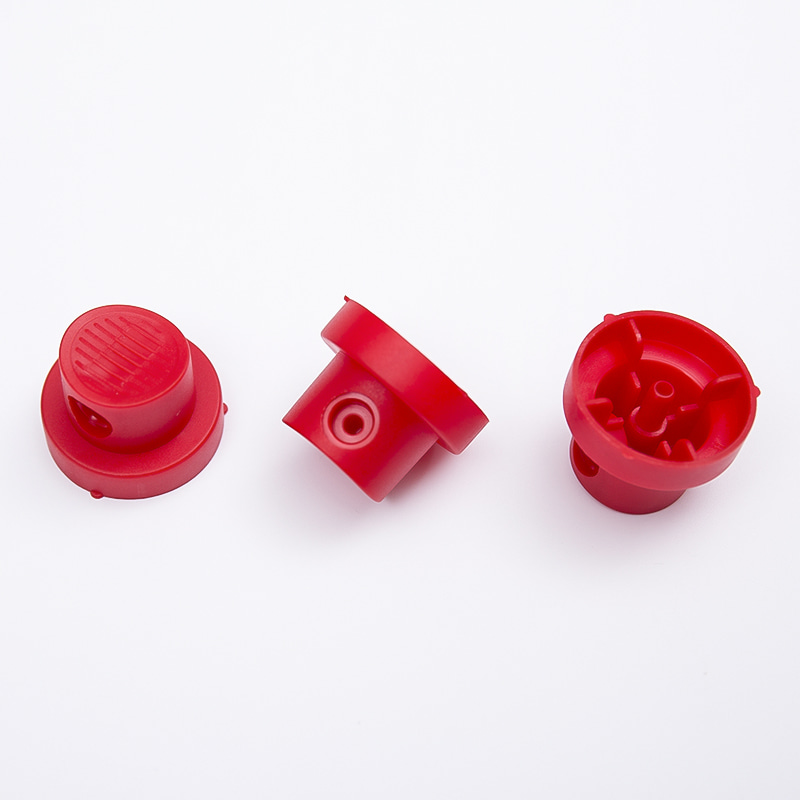 1-inch Plastic Metering Valve Actuator Nozzle for Precise Aerosol Dispensing Engineered for precise dispensing, this integrated metering valve actuator ensures consistent spray output and even coverage, making it a reliable choice for repeated use in personal care or industrial applications. View Product →
 In practice, the cover also shapes the first impression of the product. A cover that is easy to press, locks clearly, and feels secure in the hand signals quality to the end user before the active ingredient ever takes effect.
How the Cover Interfaces with the Metering Valve
The cover does not create the dose. The metering valve does. A metered aerosol valve is designed to release a fixed volume of product per actuation, typically between 25 and 200 microliters. For insecticides, common dose sizes sit in the 50 to 100 microliter range, which allows the formulator to control how much active ingredient is released in a single press.
The cover must be matched to that valve so the dose is delivered consistently. If the actuator fits loosely on the valve stem, part of the dose is lost around the sides. If it fits too tightly, the stem can bend or break during pressing. The correct interface creates a seal that routes the entire measured dose through the nozzle orifice.
Spec reference: A metering valve's dose accuracy is typically maintained within ±10% of nominal, but only if the actuator seals correctly against the stem interface.
The geometry of the actuator matters more than most buyers assume. An L-shaped nozzle turns the vertical valve stem into a horizontal spray path , which is useful when treating cracks, under furniture, or wall perimeters. A circular nozzle spreads the same dose over a wider area. The same valve can behave completely differently depending on which cover is installed.
For insecticide applications, an L-shaped actuator for metering valve insecticides is a common choice because it delivers a controlled directional burst and minimizes overspray. This matters in spot treatments where accuracy is more important than coverage area.
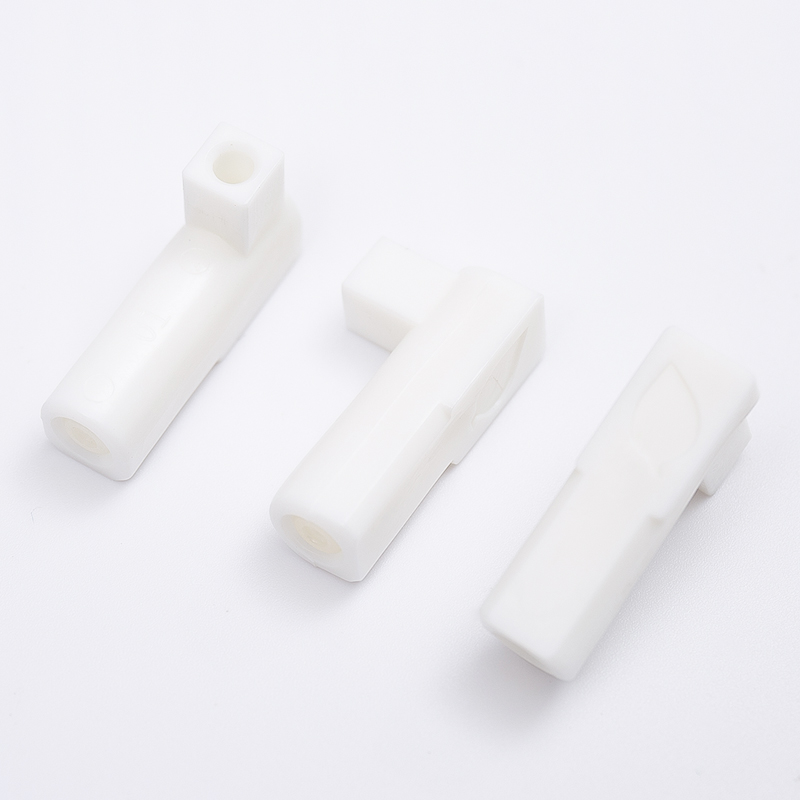 L-Shaped Aerosol Actuator Nozzle for Metered Valve Insecticides Designed for directed insecticide application, this L-shaped actuator minimizes overspray and provides accurate dose control, improving efficacy while reducing waste and environmental impact. View Product →
 Insecticide-Specific Cover Design Requirements
Insecticide formulas place unique demands on the cover system that ordinary air freshener or cosmetic actuators do not face. Understanding these requirements prevents field failures and packaging line interruptions.
Chemical Resistance
Solvent-based bug sprays can soften or crack plastics that are not compatible with the formula. Polyethylene and polypropylene are the most common materials for insecticide actuators because they resist a wide range of solvents. The specific grade and wall thickness determine whether the cover holds its shape after months of contact with the concentrate.
Clogging Resistance
Insecticide concentrates often contain fine powders, oils, and emulsifiers that can leave residue inside a nozzle. A cover with a smooth internal pathway and a properly sized orifice reduces buildup. The orifice diameter also affects the droplet size and spray pattern, so it must be chosen with the viscosity and pressure of the product in mind.
Locking Mechanisms
Accidental discharge is a serious concern for bug spray products. Twist-lock, push-pull, and rotation locks are all used to prevent the cover from being pressed while the can is in storage or transit. The choice of locking mechanism affects both safety and user convenience. A cover that is too hard to unlock will frustrate users; one that is too easy defeats the purpose.
Choosing the Right Bug Spray Cover System
Selecting a cover system is a matter of matching the valve type, the target dosage, the application pattern, and the regulatory environment. The visible design is a secondary consideration, although it still matters for brand identity.
| Feature | L-Shaped Actuator | Circular Nozzle | Spray Cap Cover |
|---|---|---|---|
| Primary use | Spot treatment | Area coverage | Protection |
| Spray pattern | Directional | Radial | N/A |
| Typical dose | 50-100 microliters | Continuous | N/A |
| Lock type | Twist or push | Push-pull | Snap or twist |
The first decision is valve type. One-inch metered valves are the standard for household insecticide cans, while 20 millimeter valves are used for aluminum formats. Each valve family has its own cup dimensions and stem height, so a cover designed for a one-inch valve will not fit a 20 millimeter valve. The second decision is the dosage. If the product is a metered insecticide, the cover must match the valve's fixed dose. If the product is a continuous spray, the cover only needs to control the on-off function.
- Valve type: one-inch or 20 millimeter
- Dose: 50, 75, 100, or 150 microliters
- Actuator geometry: L-shaped or circular
- Locking mechanism: twist, push-pull, or snap-on
When a product has a long storage life and needs extra protection against dust and accidental pressing, a dedicated aerosol can valve spray cap provides the security layer that keeps the actuator clean and the valve protected.
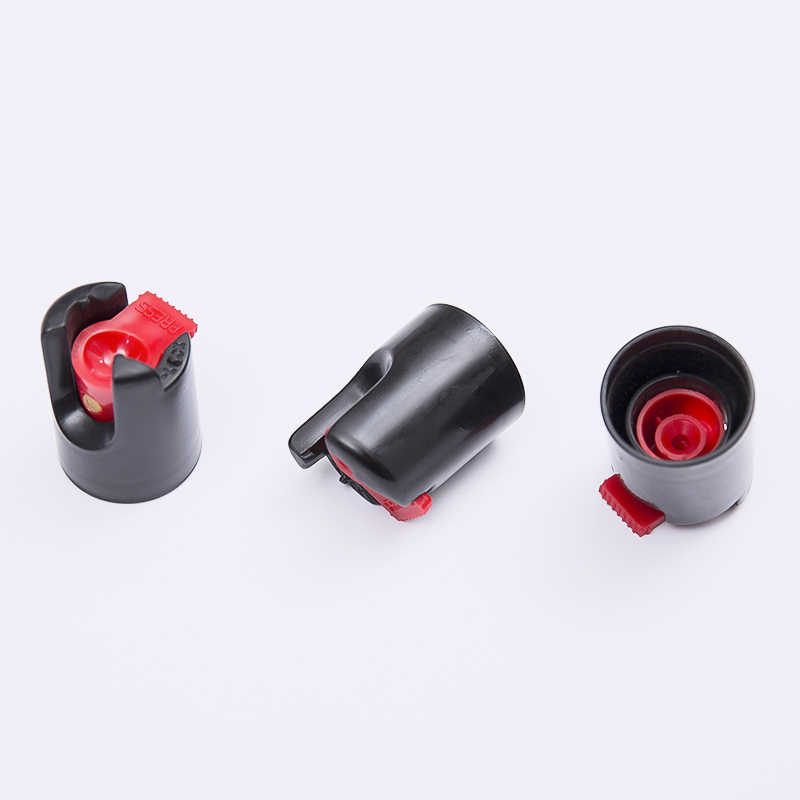 Aerosol Can Valve Spray Cap with Anti-Drip Protection This valve spray cap complements standard cans by shielding the actuator and preventing leaks, ensuring hygiene and stable performance during long storage or high-frequency use. View Product →
 Quality Signs and Common Failure Points
Most bug spray quality complaints are not caused by the formula. They are symptoms of a cover-valve mismatch. Recognizing these patterns early saves money and protects the brand.
Leakage During Transport
If an insecticide can leaks in the carton, the cover is usually not sealing the valve correctly. The cup dimensions, gasket thickness, and crimp depth all affect seal integrity. A cover that does not lock onto the valve with enough pressure can also allow product to escape during handling.
Sticking or Broken Actuators
An actuator that sticks in the pressed position can empty the entire can in minutes. This often happens when the return spring is weak, the cover geometry distorts over time, or the actuator material is not compatible with the formula. The fix is usually a material upgrade or a geometry adjustment at the tooling level.
Inconsistent Dose Over the Product Life
Metered valves are designed to deliver the same dose from the first press to the last. If the dose drifts, the cover may be applying uneven pressure to the valve stem, or the internal pathway may be filling with residue. Both issues point to a component specification change rather than a production error.
Working with an experienced aerosol valve and actuator manufacturer helps prevent these problems at the design stage, before a full production run is committed.
Frequently Asked Questions
Q1: Is the bug spray cover the same as the actuator?
No. The cover is the full protective assembly, while the actuator is the movable button or nozzle that the user presses. In many products, the cover and actuator are a single piece, but in others they are separate components that work together.
Q2: What is the typical dose for a metered insecticide valve?
Most metered insecticide valves deliver between 50 and 100 microliters per press. The exact dose is set by the metering chamber inside the valve and must be matched with the actuator geometry to produce the expected spray pattern and coverage.
Q3: Can I customize the cover color and branding for my bug spray product?
Yes. Actuators and covers can be produced in custom colors, with logo printing, and with different surface finishes. Color and design choices should be validated early because some pigments can affect the plastic's solvent resistance and UV stability.